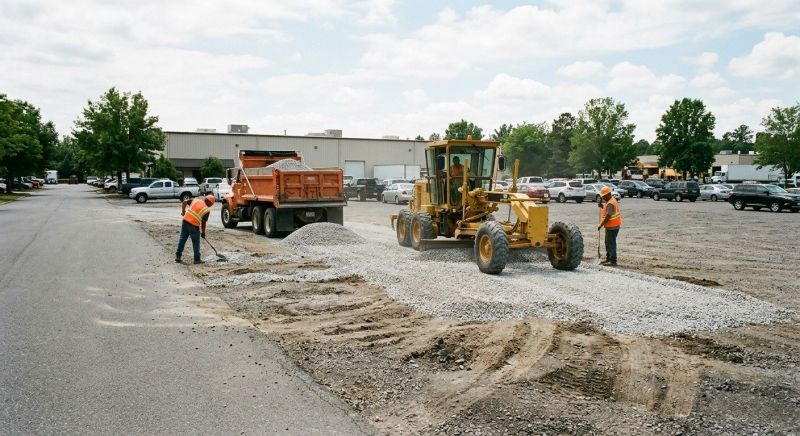
Parking Lot Excavation in Houston, TX
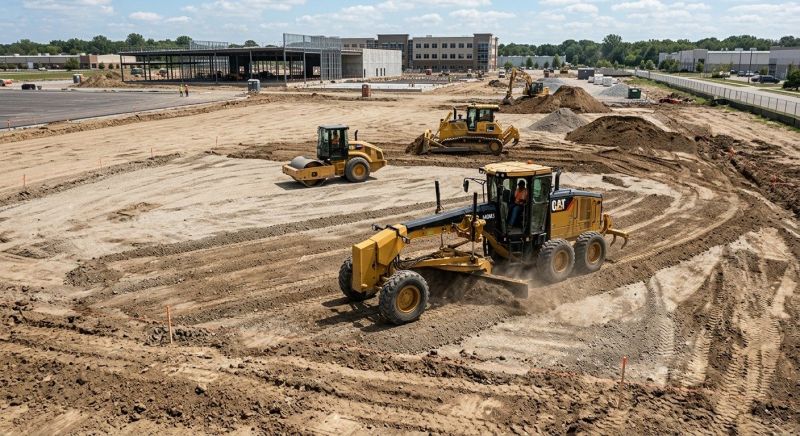
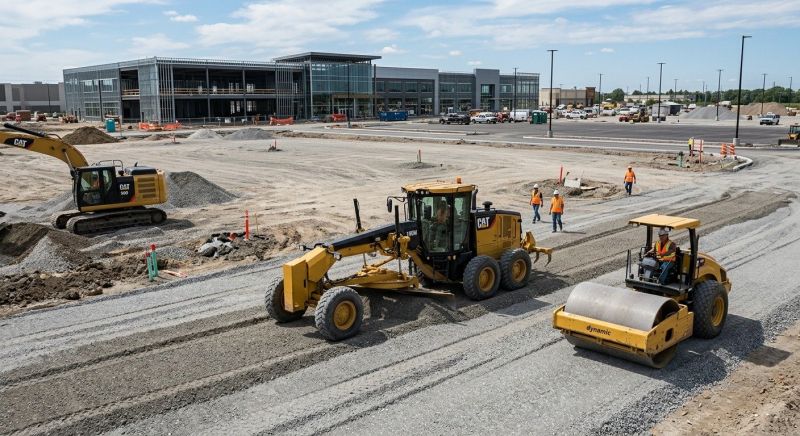
Parking lot excavation services involve the removal and grading of soil and existing pavement to prepare a site for new parking areas, driveways, or access roads. These projects typically include clearing land, leveling surfaces, and creating proper drainage slopes to ensure a stable and functional parking space. Property owners often request this service when constructing a new parking lot, expanding an existing one, or replacing damaged pavement to improve safety and accessibility on their property.
Before requesting parking lot excavation, property owners should consider the size and scope of the project, including the dimensions of the area to be excavated and the type of terrain involved. It’s also helpful to understand any local regulations or permits required for excavation work. Clear communication about the desired outcome and any specific site conditions can help ensure the project proceeds smoothly and meets the property’s needs for durability and usability.
Many property owners in Houston, TX look into Parking Lot Excavation for repairs, replacements, upgrades, and appearance-related improvements.
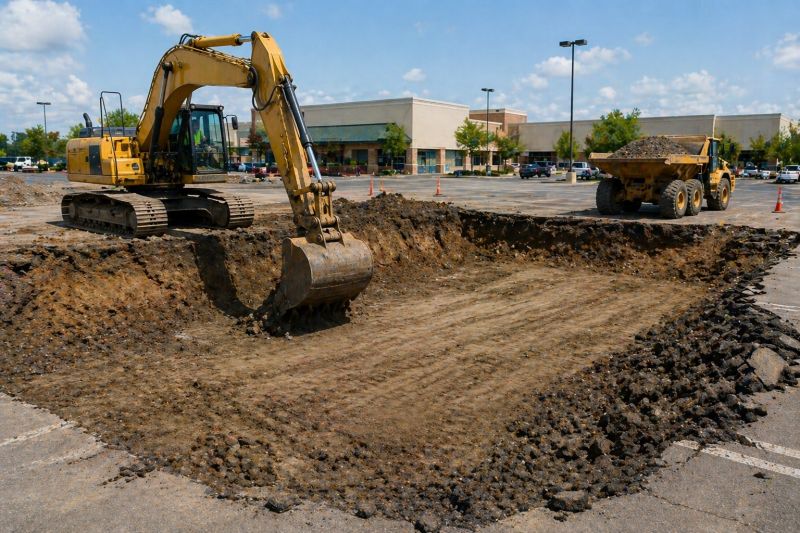
Site Preparation And Grading
Proper excavation ensures a level foundation for parking lot construction or resurfacing.
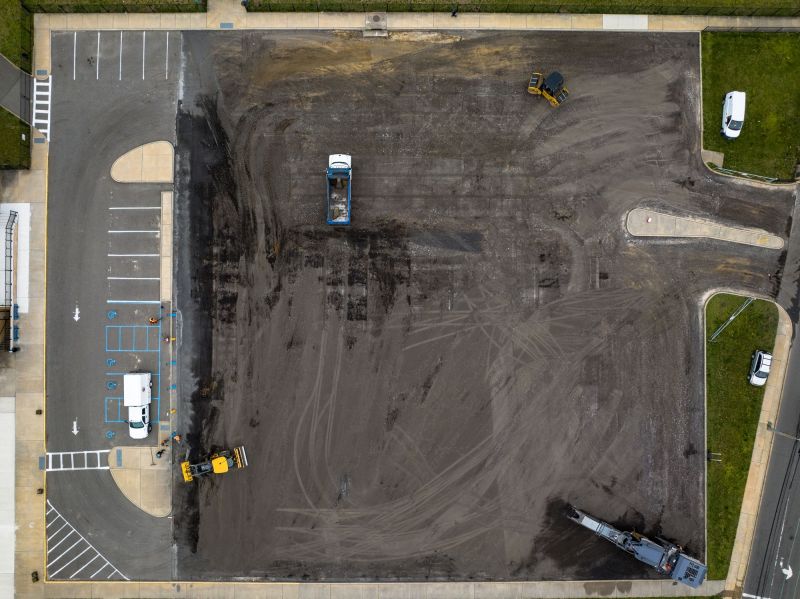
Stormwater Management Solutions
Excavation services help create effective drainage systems to prevent flooding on your property.
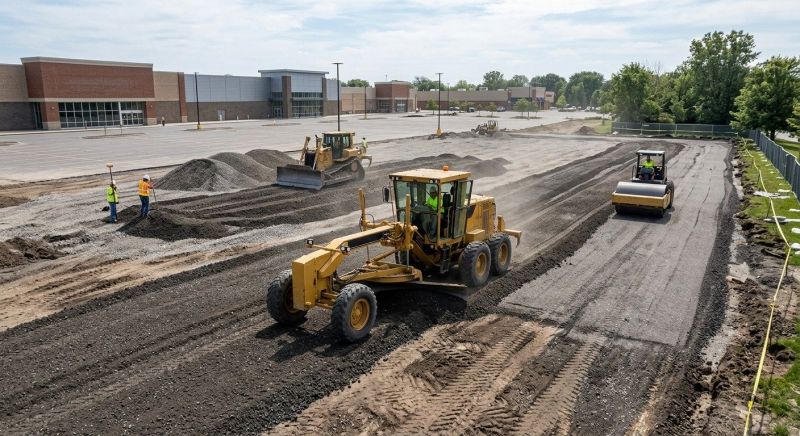
Driveway And Lot Expansion
Expanding or redesigning parking areas involves careful excavation to accommodate new layouts and surfaces.
Parking Lot Excavation in Houston, TX

Parking lot excavation services involve the removal and grading of soil and existing pavement to prepare a site for new parking areas, driveways, or access roads. These projects typically include clearing land, leveling surfaces, and creating proper drainage slopes to ensure a stable and functional parking space. Property owners often request this service when constructing a new parking lot, expanding an existing one, or replacing damaged pavement to improve safety and accessibility on their property.
Before requesting parking lot excavation, property owners should consider the size and scope of the project, including the dimensions of the area to be excavated and the type of terrain involved. It’s also helpful to understand any local regulations or permits required for excavation work. Clear communication about the desired outcome and any specific site conditions can help ensure the project proceeds smoothly and meets the property’s needs for durability and usability.
Many property owners in Houston, TX look into Parking Lot Excavation for repairs, replacements, upgrades, and appearance-related improvements.
Common Parking Lot Excavation Jobs
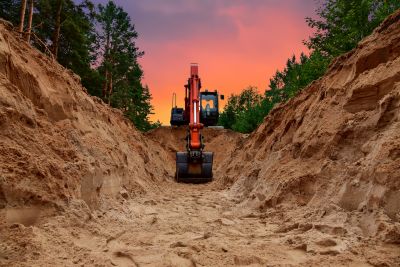
Parking lot excavation involves removing soil and debris to prepare the area for paving or surfacing.
Driveway excavation helps create a stable base for new or replacement driveways.
Commercial parking lot prep includes grading and leveling to ensure proper drainage and durability.
Subgrade stabilization involves improving soil strength for long-lasting pavement foundations.
Site clearing and grading ensure the area is properly shaped before paving begins.
Drainage improvement excavation addresses existing issues to prevent water pooling and erosion.
Parking Lot Excavation Questions
What is parking lot excavation? It involves removing soil and debris to prepare a site for parking lot construction or resurfacing.
When is parking lot excavation needed? It is typically required for new parking areas, repairs, or to improve drainage and stability.
What should property owners consider before excavation? Ensuring proper site assessment and understanding the scope of work helps in planning the project effectively.
How does excavation impact existing parking areas? Proper excavation can improve surface stability and drainage, extending the lifespan of the parking lot.
Request Parking Lot Excavation in Houston, TX
Use the quote form on this page to share the basics of your project and request more information for the type of work you need.